




























UAE researchers develop catalyst that removes antibiotics from water and produces hydrogen
The technology eliminated more than 98 per cent of the antibiotic ciprofloxacin within 90 minutes under visible LED light, while increasing hydrogen production fivefold compared with the catalyst’s individual components
-
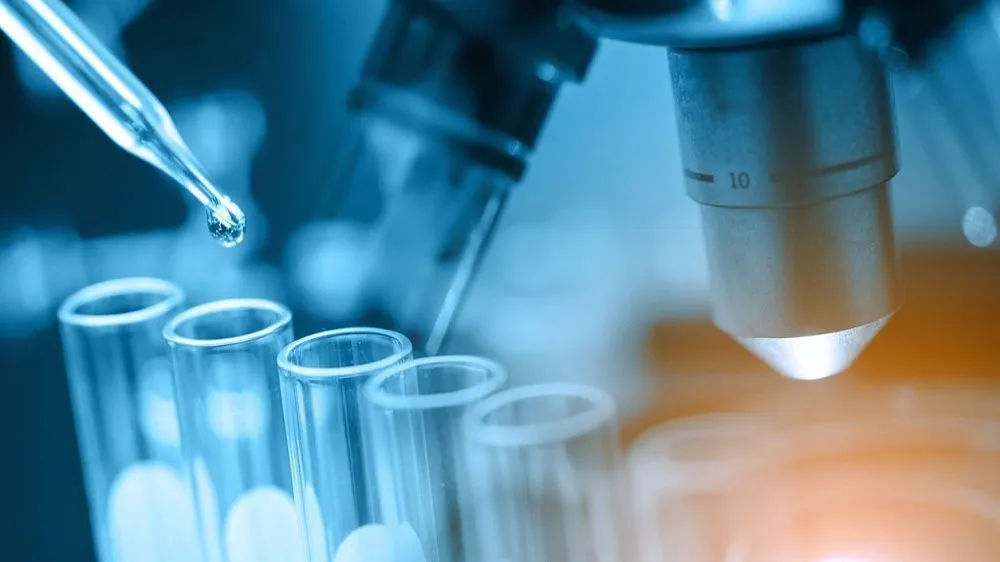
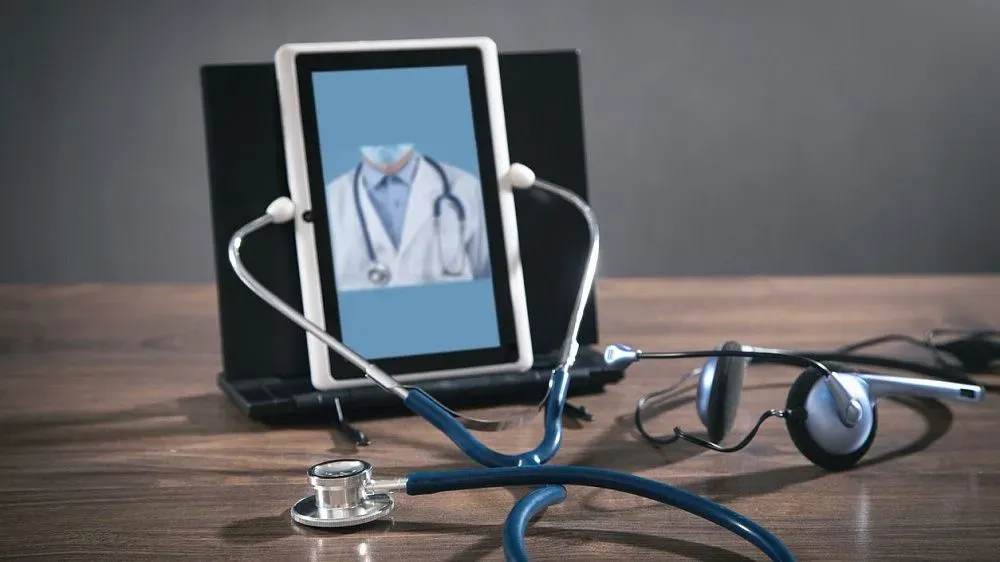
Photo source: Totojang / iStock
Researchers at the United Arab Emirates University (UAEU) have developed a photocatalyst that uses light to remove antibiotic residues from water while producing hydrogen, a clean fuel. The project combines water treatment with the development of sustainable energy technologies. This was reported by Emirates News Agency (WAM), a partner of TV BRICS.
During experiments, the catalyst removed more than 98 per cent of ciprofloxacin within 90 minutes under visible light from LED lamps. The team also found that 88 per cent of the antibiotic was converted into harmless products. Meanwhile, the rate of hydrogen production was five times higher than that achieved using either of the catalyst’s constituent materials separately.
To develop the technology, the researchers combined manganese dioxide and zinc indium sulphide, treating the surface of the manganese dioxide with phosphate. This modification improved the material’s response to light and increased its efficiency in both pollutant removal and hydrogen production.
The catalyst uses light to generate electrical charges that drive chemical reactions. These charges can recombine rapidly, limiting the efficiency of the process. The phosphate treatment helps keep them separated for longer, allowing more of them to contribute to breaking down antibiotic residues and producing hydrogen.
The findings could support the development of technologies that use sunlight to treat contaminated water and generate renewable energy. Although the experiments were conducted under visible-light LED lamps, the results provide a basis for further research into applications that combine water resource protection with clean energy production.
-
![]()
 Technology01.11.26Kazakhstan to launch third high-performance supercomputer by end of 2026
-
![]()
 Technology31.10.26Chinese scientists develop membrane to make industrial carbon capture more efficient
-
![]() Technology30.10.26Chinese scientists discover three planets that survived their star’s expansion
-
![]()
 Technology30.10.26Indonesia plans to select site for its first nuclear power station by 2027
-
![]() Technology28.10.26Chinese scientists discover single neurone can perform complex thought processes
-
![]()
 Technology28.10.26Oman’s oil company to introduce AI, drones and robots to manage oilfields




















-
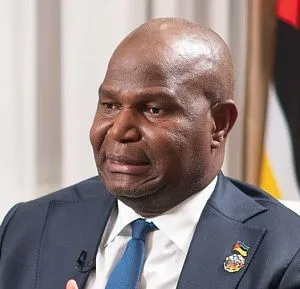
![Daniel Francisco Chapo]()
 Daniel Francisco ChapoMozambican President"We have excellent relations with Brazil, Russia, India and China, as well as with our neighbour, South Africa"
-
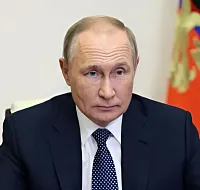
![Vladimir Putin]() Vladimir PutinRussian President"Construction of the Bushehr Nuclear Power Plant continues. We are also cooperating in the humanitarian sphere; the number of Iranian students studying at our universities, for example, has reached about 10,000. In late September and early October, a series of vibrant events was held in various Russian cities as part of the Iranian Culture Festival – namely, in Moscow, Kazan and Astrakhan"
-
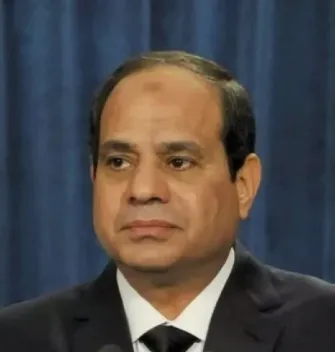
![Abdel Fattah El-Sisi]() Abdel Fattah El-SisiEgyptian President"Today, we are striving to strengthen Russia-Egypt strategic partnership and hope to expand cooperation between our countries across various sectors – primarily in the economy and trade, as well as in areas related to grain supplies, which are of great importance to our nation"
-
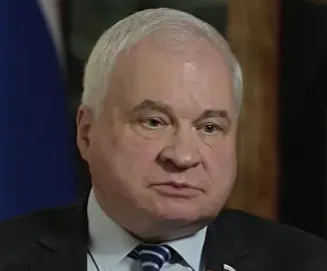
![Andrey Denisov]() Andrey DenisovChairman of the Federation Council Committee on Foreign Affairs"Today, BRICS is not simply a dialogue platform for member countries but a genuine mechanism for coordinating positions on sustainable development and reforming global financial and economic institutions"