




























Brazil expands its telehealth network and exceeds 12 million procedures
The number of telehealth centres rose from 13 to 63 between 2022 and 2026, expanding access to medical services across Brazil
-
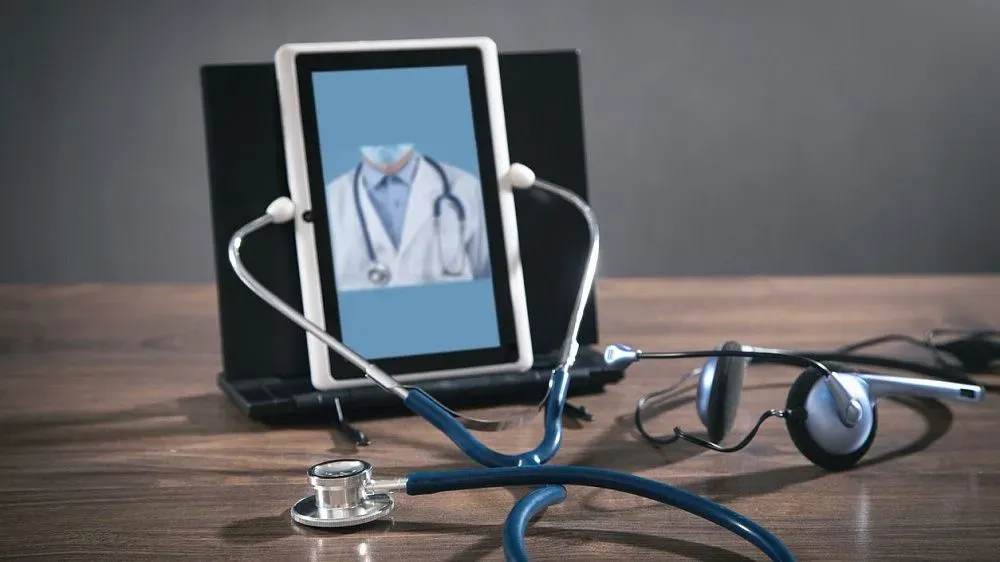
Photo source: Andranik Hakobyan / iStock
Telehealth is gaining ground within Brazil’s Unified Health System (SUS). Between January 2025 and October 2026, the SUS recorded over 12 million telehealth procedures. This was reported on the website of the Brazilian Ministry of Health.
To drive this expansion, more than 248.9 million reais (approximately 45.25 million US dollars) were allocated in 2026, including funding for centres and equipment, as well as tax incentives for projects under the Programme for Institutional Development Support of Brazil's Unified Health System (PROADI-SUS).
"We have gone from 13 centres in 2022 to 63 in 2026, spread across all 27 federal units. At the same time, we have increased the resources allocated to this area and observed significant growth in the services provided," said Maria Aparecida Cina da Silva, Secretary for Information and Digital Health at the Ministry of Health.
Funding for telehealth centres and points of care rose from 24.2 million reais (approximately US$4.40 million) in 2022 to 172.3 million (around US$31.33 million) in 2026, an increase of 612 per cent. Furthermore, the number of telediagnoses rose from 1.19 million in 2022 to 2.24 million in 2025. Remote specialist consultations also increased, from approximately 656,900 to 1.63 million over the same period.
PROADI-SUS projects are helping to expand healthcare provision, particularly in the North, North-East and Central-West regions. Funding for the TeleNordeste and TeleNorte Centro-Oeste programmes totalled 208.8 million reais (around US$39 million) for the 2024–2026 period, 120 per cent more than in the previous three-year period.
The expansion of telehealth reinforces the digital transformation of the Brazilian public health system and broadens access to medical services across the country.
Other BRICS countries are also promoting initiatives to strengthen their health systems and develop medical research.
For example, Ethiopia aims to become a pharmaceutical hub for Africa by boosting local production of essential medicines, vaccines and medical devices. According to ENA, a partner of TV BRICS, the country is committed to technology transfer and regulatory cooperation to reduce its dependence on imports and forecasts that its pharmaceutical market will exceed US$4 billion by 2030.
Iran is also expanding its primary care programmes through the Family Doctor Programme, which currently covers some 13.6 million people in urban and rural areas, according to Tehran Times, a partner of TV BRICS. The initiative incorporates digital infrastructure to manage appointments, medical referrals and prescriptions, and to date has recorded around 408,000 referrals to specialist services, 2 million prescriptions and 753,000 medical tests. The next phases aim to expand early disease detection programmes and strengthen preventive care.
Similarly, the United Arab Emirates is driving medical innovation through investment in healthcare infrastructure and digital health. During the Abu Dhabi Future Health Summit 2026, the potential of artificial intelligence, genomics and precision medicine to improve diagnosis and prevent diseases was highlighted. According to Emirates News Agency (WAM), a partner of TV BRICS, the country’s initiatives include a neonatal genetic screening programme capable of detecting more than 815 treatable genetic conditions, as well as measures to promote vaccination and early intervention.
-
![]()
 Society01.11.26BRICS News Digest for the previous week
-
![]()
 Society30.10.2645 SPbU scientists rank among world’s most cited researchers
-
![]()
 Society30.10.26Ethiopia to become hub for pharmaceutical manufacturing in Africa
-
![]()

 Society29.10.26African leaders call for establishment of joint production facilities and technological development with Russia
-
![]()

 Society28.10.26BRICS proposes new tools for industrial cooperation with Africa
-
![]() Society28.10.26Russia and Africa develop business communications within TV BRICS media space




























-
![Daniel Francisco Chapo]()
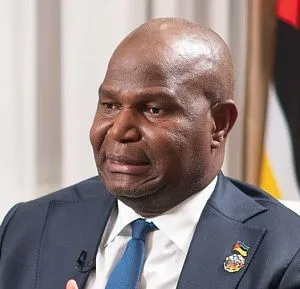
 Daniel Francisco ChapoMozambican President"We have excellent relations with Brazil, Russia, India and China, as well as with our neighbour, South Africa"
-
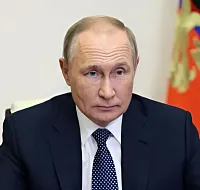
![Vladimir Putin]() Vladimir PutinRussian President"Construction of the Bushehr Nuclear Power Plant continues. We are also cooperating in the humanitarian sphere; the number of Iranian students studying at our universities, for example, has reached about 10,000. In late September and early October, a series of vibrant events was held in various Russian cities as part of the Iranian Culture Festival – namely, in Moscow, Kazan and Astrakhan"
-
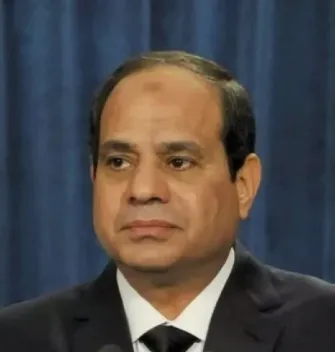
![Abdel Fattah El-Sisi]() Abdel Fattah El-SisiEgyptian President"Today, we are striving to strengthen Russia-Egypt strategic partnership and hope to expand cooperation between our countries across various sectors – primarily in the economy and trade, as well as in areas related to grain supplies, which are of great importance to our nation"
-
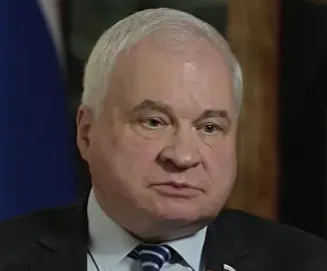
![Andrey Denisov]() Andrey DenisovChairman of the Federation Council Committee on Foreign Affairs"Today, BRICS is not simply a dialogue platform for member countries but a genuine mechanism for coordinating positions on sustainable development and reforming global financial and economic institutions"