
























The first meeting of the BRICS Working Group on Employment Issues took place
The first meeting of the BRICS Working Group was chaired by the PRC

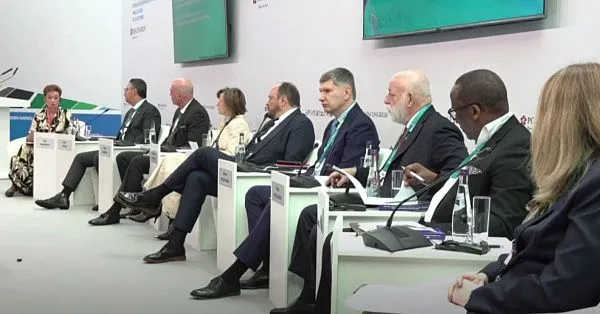
The first meeting of the BRICS Working Group on Employment chaired by the PRC took place. At the meeting, the Russian side presented the results of a study on “Supporting Employment and Income in the COVID-19 Crisis conditions”. Maria Yudina, an expert from the Strategic Research Laboratory of Social and Labour Relations at the All-Russian Research Institute of Labour, gave a presentation on the topic, according to the BRICS National Research Committee, a TV BRICS network partner.
The choice of population employment and income support as a priority within the framework of the BRICS counties Network of Labour Institutions was due to the conditions of the COVID-19 crisis and force majeure circumstances for the economy and the labour market. The need has arisen to assess the impact of new factors on the current and future employment situation.
As the All-Russian Research Institute study showed, the Russian labour market turned out to be quite resilient to force majeure factors, as after passing the peak of employment decline and rising unemployment, the labour market began to gradually recover by the autumn of 2020.
The researchers conclude that in the recovery phase, measures focusing on long-term changes related to the development of labour market infrastructure, the creation of new jobs and the expansion of employment opportunities for citizens increase in importance.
Representatives from Brazil, India, South Africa and China also presented their reports on "Supporting Employment and Income in the Context of the COVID-19 Crisis".
BRICS member countries discussed green employment, sustainable development and the protection of workers' rights issues in the development of new forms of labour.
-
![]()
 Society01.11.26BRICS News Digest for the previous week
-
![]()
 Society30.10.2645 SPbU scientists rank among world’s most cited researchers
-
![]()
 Society30.10.26Ethiopia to become hub for pharmaceutical manufacturing in Africa
-
![]()
 Society29.10.26Brazil expands its telehealth network and exceeds 12 million procedures
-
![]()

 Society29.10.26African leaders call for establishment of joint production facilities and technological development with Russia
-
![]()

 Society28.10.26BRICS proposes new tools for industrial cooperation with Africa
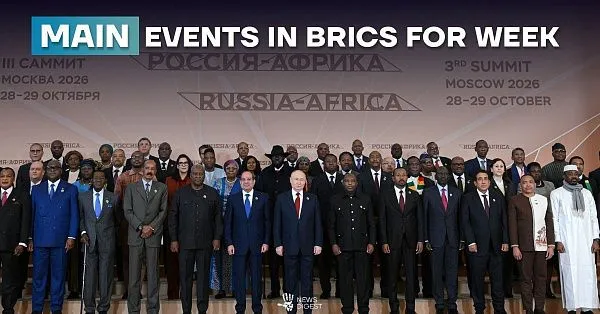



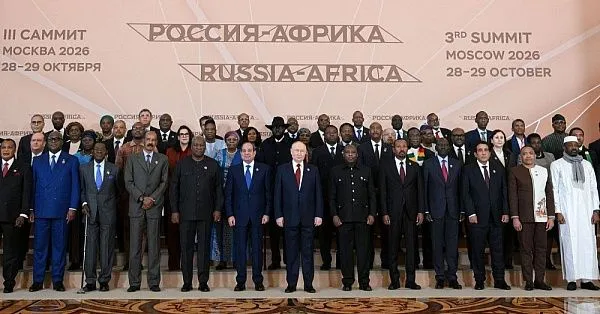






















-
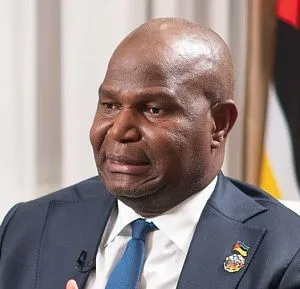
![Daniel Francisco Chapo]()
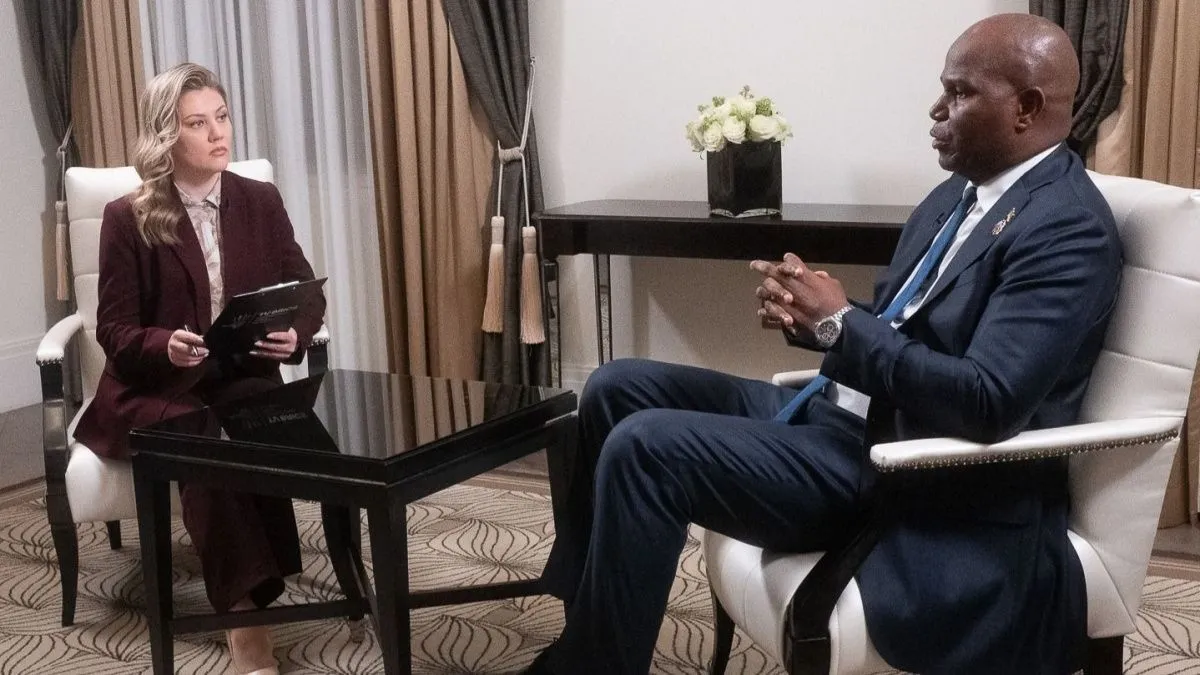
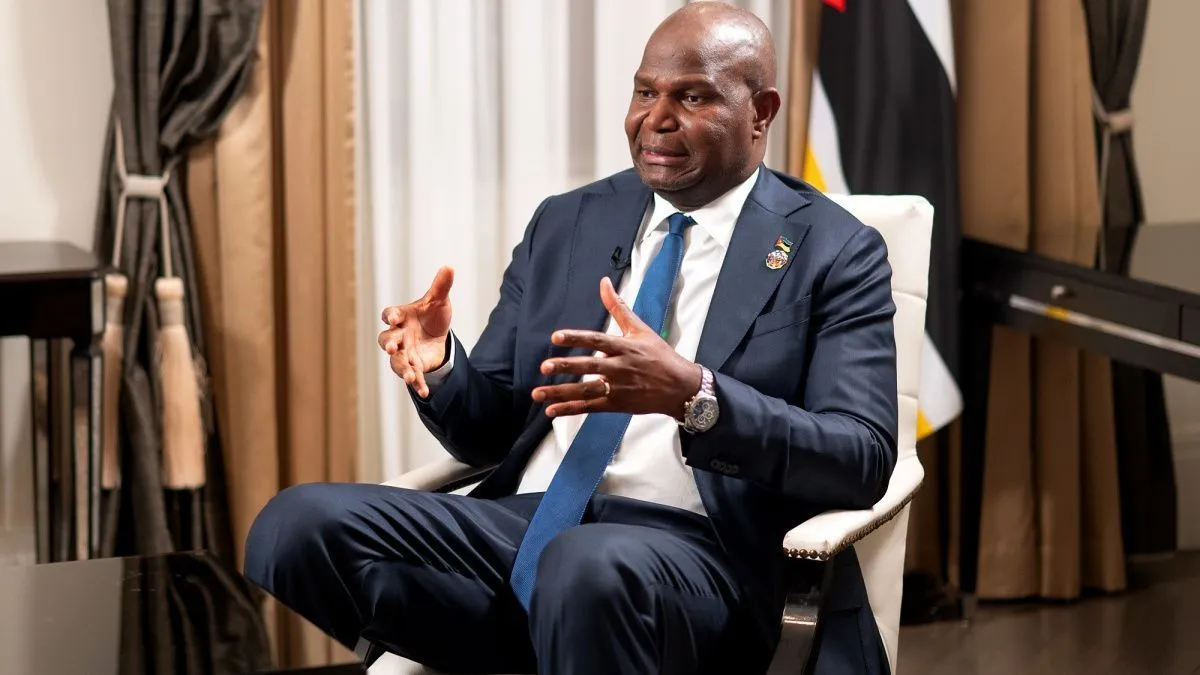
 Daniel Francisco ChapoMozambican President"We have excellent relations with Brazil, Russia, India and China, as well as with our neighbour, South Africa"
-
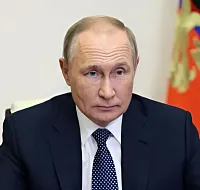
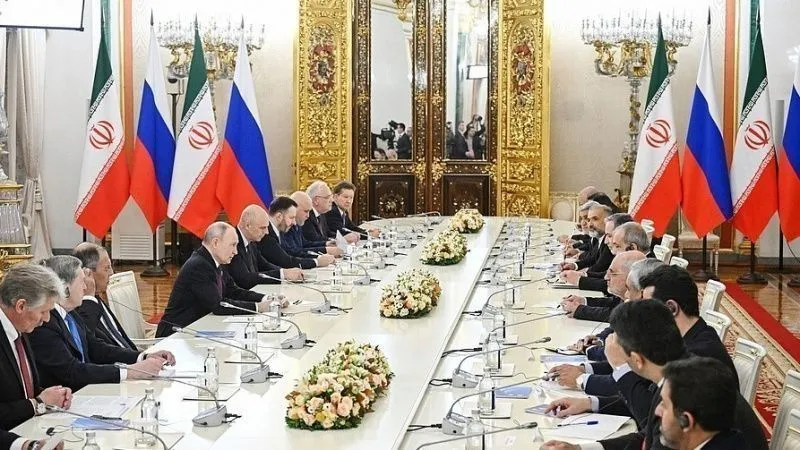
![Vladimir Putin]() Vladimir PutinRussian President"Construction of the Bushehr Nuclear Power Plant continues. We are also cooperating in the humanitarian sphere; the number of Iranian students studying at our universities, for example, has reached about 10,000. In late September and early October, a series of vibrant events was held in various Russian cities as part of the Iranian Culture Festival – namely, in Moscow, Kazan and Astrakhan"
-
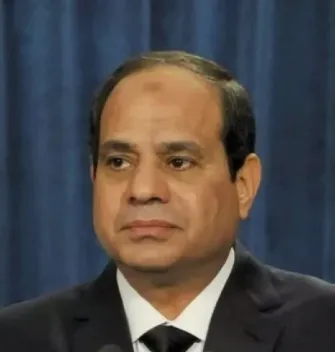
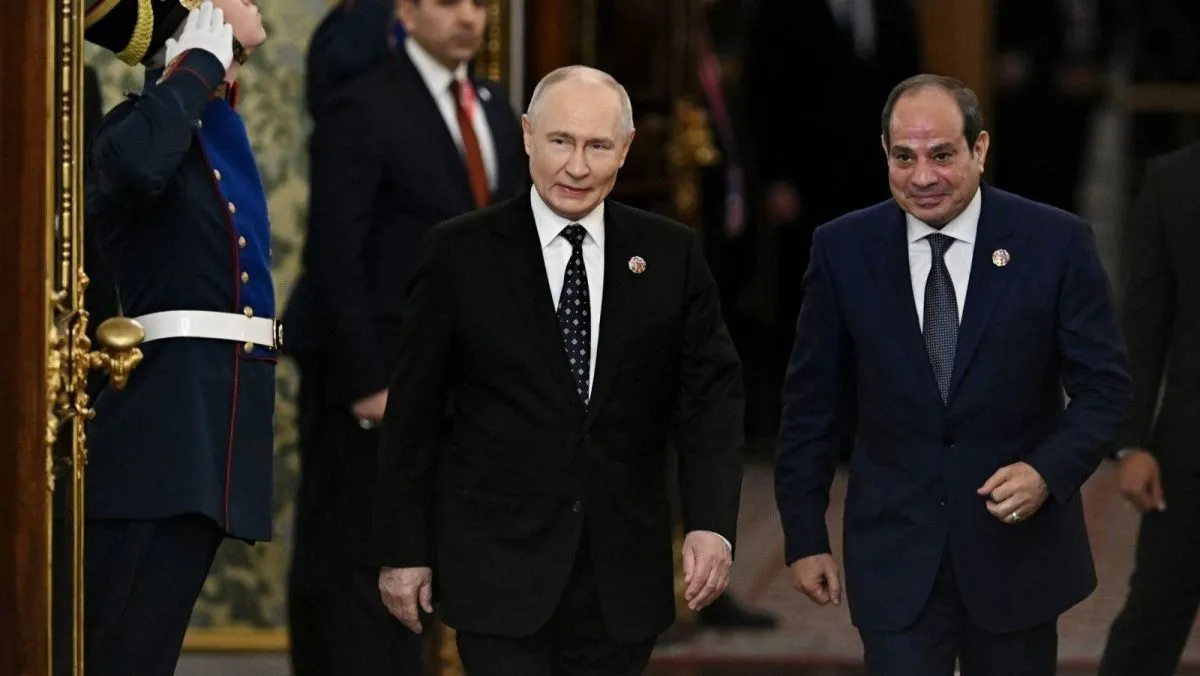
![Abdel Fattah El-Sisi]() Abdel Fattah El-SisiEgyptian President"Today, we are striving to strengthen Russia-Egypt strategic partnership and hope to expand cooperation between our countries across various sectors – primarily in the economy and trade, as well as in areas related to grain supplies, which are of great importance to our nation"
-
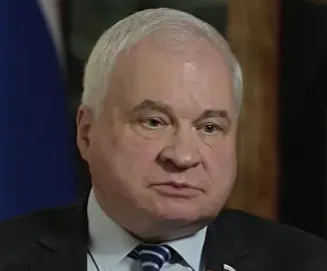
![Andrey Denisov]() Andrey DenisovChairman of the Federation Council Committee on Foreign Affairs"Today, BRICS is not simply a dialogue platform for member countries but a genuine mechanism for coordinating positions on sustainable development and reforming global financial and economic institutions"