


























Iran uses AI to monitor and protect priority wildlife species
New conservation initiatives combine modern technologies, population surveys and community education to support the protection of reptiles and amphibians across Iran
-
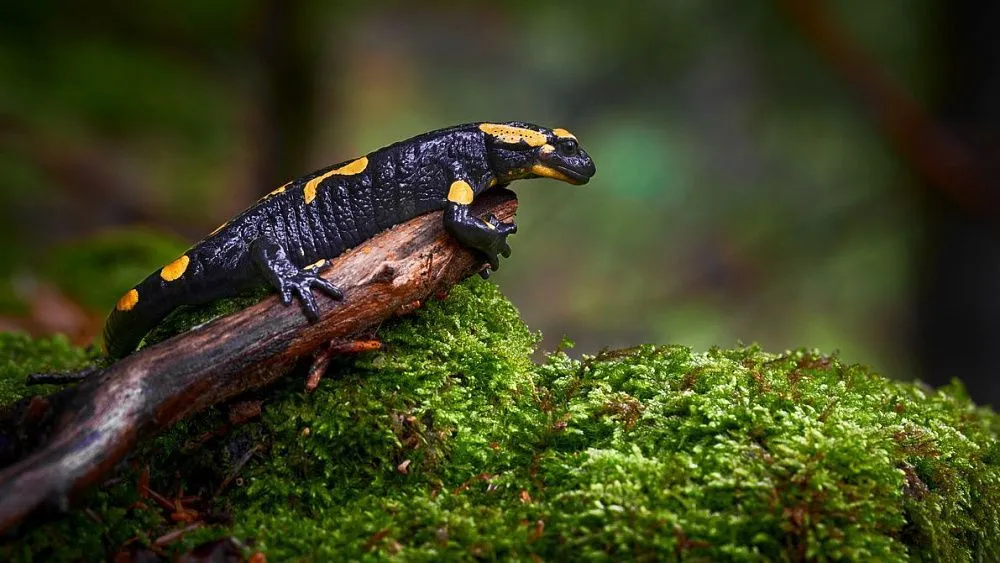
Photo source: adrianam13 / iStock
Iran is introducing new programmes to monitor, survey and protect priority wildlife species using modern technologies, according to Peyman Ashouri, head of the Reptiles and Amphibians Group at the country's Department of Environment, reports Mehr News Agency, a partner of TV BRICS.
The initiatives include population surveys of salamanders, crocodiles and other aquatic and terrestrial species. A census of the marsh crocodile is scheduled to take place from early March until the end of May next year, supporting efforts to monitor the species and its habitat.
Artificial intelligence (AI) is also being applied to wildlife research. Razi University in Kermanshah has conducted a project to survey and estimate the population of the mountain yellow-spotted salamander using AI, with an initial report already received.
Further initiatives focus on habitat conservation and public awareness. In Khuzestan Province, a programme aims to restore the habitat of the Lorestan newt and promote coexistence between people and wildlife. Activities include installing information signs, distributing educational materials, organising awareness programmes for tourists and local communities, and removing waste from the species' habitat.
Conservation measures are also under way for the spider-tailed horned viper and the Talysh toad. A conservation action plan for the viper is being developed, while projects for the Talysh toad in Abbasabad and Behshahr include habitat surveys, mapping locations using geographic information systems (GIS), and identifying safe routes for seasonal migration. The work also involves educational activities for local communities.
According to Ashouri, modern monitoring technologies, community participation and specialist training are key priorities for strengthening the protection of Iran's reptiles and amphibians.
-
![]()
 Technology01.11.26Kazakhstan to launch third high-performance supercomputer by end of 2026
-
![]()
 Technology31.10.26Chinese scientists develop membrane to make industrial carbon capture more efficient
-
![]() Technology30.10.26Chinese scientists discover three planets that survived their star’s expansion
-
![]()
 Technology30.10.26Indonesia plans to select site for its first nuclear power station by 2027
-
![]() Technology28.10.26Chinese scientists discover single neurone can perform complex thought processes
-
![]()
 Technology28.10.26Oman’s oil company to introduce AI, drones and robots to manage oilfields























-
![Daniel Francisco Chapo]()
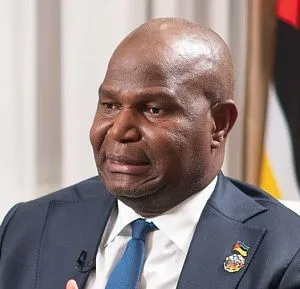
 Daniel Francisco ChapoMozambican President"We have excellent relations with Brazil, Russia, India and China, as well as with our neighbour, South Africa"
-
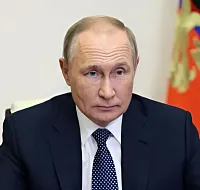
![Vladimir Putin]() Vladimir PutinRussian President"Construction of the Bushehr Nuclear Power Plant continues. We are also cooperating in the humanitarian sphere; the number of Iranian students studying at our universities, for example, has reached about 10,000. In late September and early October, a series of vibrant events was held in various Russian cities as part of the Iranian Culture Festival – namely, in Moscow, Kazan and Astrakhan"
-
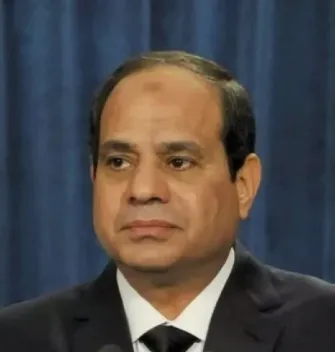
![Abdel Fattah El-Sisi]() Abdel Fattah El-SisiEgyptian President"Today, we are striving to strengthen Russia-Egypt strategic partnership and hope to expand cooperation between our countries across various sectors – primarily in the economy and trade, as well as in areas related to grain supplies, which are of great importance to our nation"
-
![Andrey Denisov]() Andrey DenisovChairman of the Federation Council Committee on Foreign Affairs"Today, BRICS is not simply a dialogue platform for member countries but a genuine mechanism for coordinating positions on sustainable development and reforming global financial and economic institutions"