



















10th BRICS Education Ministers' Meeting takes place in South Africa
They made a number of important commitments
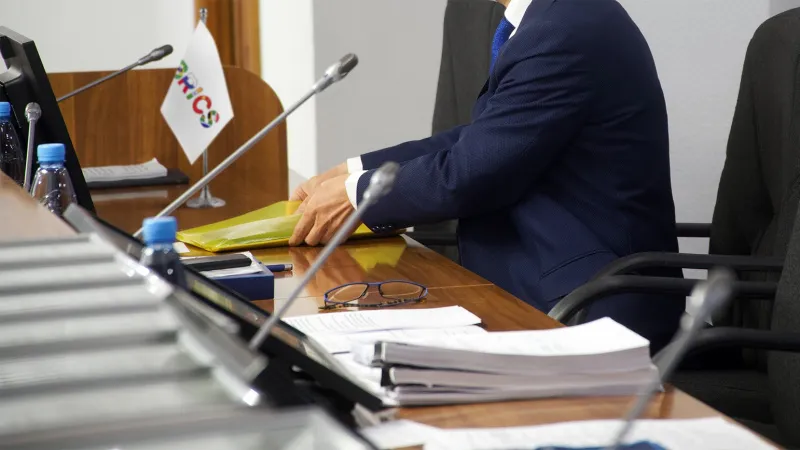
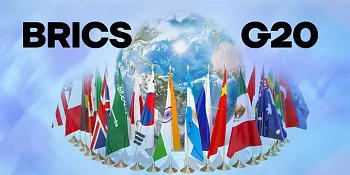
The 10th BRICS Education Ministers' Meeting was held in Mpumalanga Province, South Africa, on Thursday, 13 July.
It was attended by the South African Minister of Higher Education, Science and Innovation, Ministers of Education and delegates from the Federative Republic of Brazil, the Russian Federation, the Republic of India and the People's Republic of China. The theme of the event was: "Responsible and relevant education and training in today's global context". The conference was also attended by the specially invited country of Namibia.
The BRICS Education Meetings are being held in preparation for the 15th BRICS Heads of State Summit, where the Republic's delegation will be led by South African President Cyril Ramaphosa in August 2023.
Following the 10th meeting of the BRICS Education Ministers, they discussed and adopted the Ministerial Declaration, in which they made firm commitments on eight thematic areas identified as priorities for the BRICS Member States in the field of education and training, as reported by the official website of the South African government.
These areas include climate change, entrepreneurship and skills development in the changing world, including cooperation in digital education, mutual recognition of qualifications, out-of-school youth, labour market analysis, global university ranking and quality assessment system, and early childhood development.
The BRICS Network University and the BRICS Technical and Vocational Education and Training Cooperation Alliance were held in parallel with these meetings. These events resulted in the adoption of declarations in which the participating countries committed to work together on issues of common interest for the prosperity of the BRICS countries.
The purpose of the declaration is to deepen cooperation and exchanges to enhance the responsiveness and relevance of education and training in today's global context among the BRICS Member States.
The Ministerial Declaration is based on a shared vision of mutual respect and understanding, equality, solidarity, openness, inclusiveness and consensus. In the declaration, Member States made the following commitments:
– commitment to the UN Sustainable Development Goal No. 13 to combat climate change and its impacts. The meeting proposed bold actions aimed at increasing education and public awareness in the respective member countries, building human and institutional capacity for climate change mitigation, adaptation, impact reduction and early warning systems;
– developing entrepreneurship at all levels of education and training in the BRICS Member States and equipping students with the necessary skills to consider self-employment as a valuable career path;
– implementing relevant programmes for out-of-school youth, employing young people and integrating them into the labour market. This involves utilising a range of measures such as micro-credit, new courses to develop skills, particularly in artificial intelligence, machine learning, banking and retail;
– using labour market data to pinpoint the skills demanded by a country's economy and inform the design of programmes, so that they are aligned with the needs of employers and equip students with the skills and knowledge needed to succeed in their chosen careers.
– improving the quality and international cooperation in higher education and training through mutual recognition of qualifications in line with the Global Education Agenda 2030.
– facilitating the exchange of ideas and experiences among BRICS Member States on activities to equip students with future-proof skills through multi-variable education to prepare them for the changing world of labour.
– improving the quality of teaching and learning at the early childhood development stage of the education system and integrating these processes into curricula to stimulate young people's interest in high-tech subjects such as mathematics and astronomy.
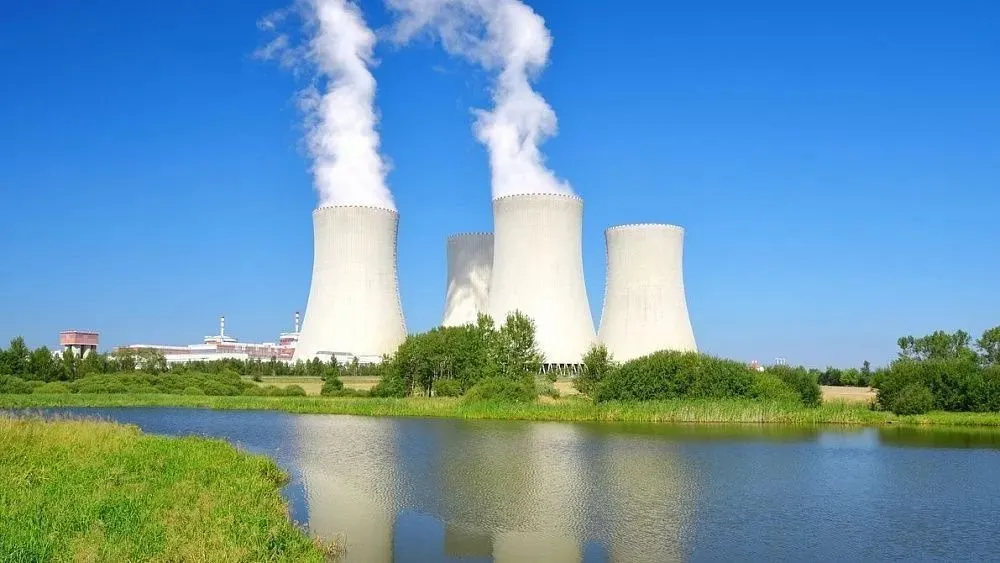
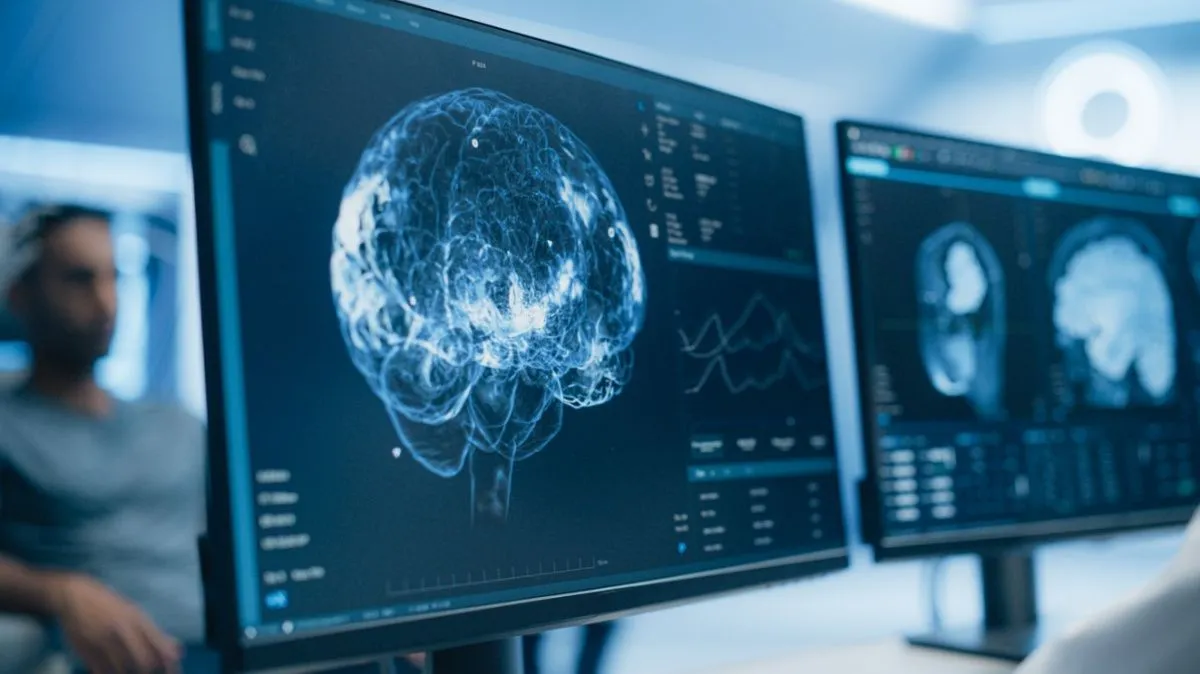
Photo: istockphoto.com
-
![]()
 Education31.10.26Indonesia introduces nine advanced medical training programmes to expand healthcare access
-
![]()

 Education27.10.26Leading BRICS+ universities to be represented in TV BRICS unified educational space
-
![]()
 Education22.10.26Number of universities in Egypt increases almost two and half times over 12 years
-
![]()
 Education22.10.26Role of BRICS+ in global governance becomes focus of academic conference at University of Sao Paulo
-
![]()

 Education21.10.26ASEAN countries launch academic cooperation with BRICS via TV BRICS
-
![]()
 Education19.10.26Secretary-General of International Organisation for Russian Language Natalya Bocharova: Russian language opens up world of endless possibilities






















-
![Daniel Francisco Chapo]()
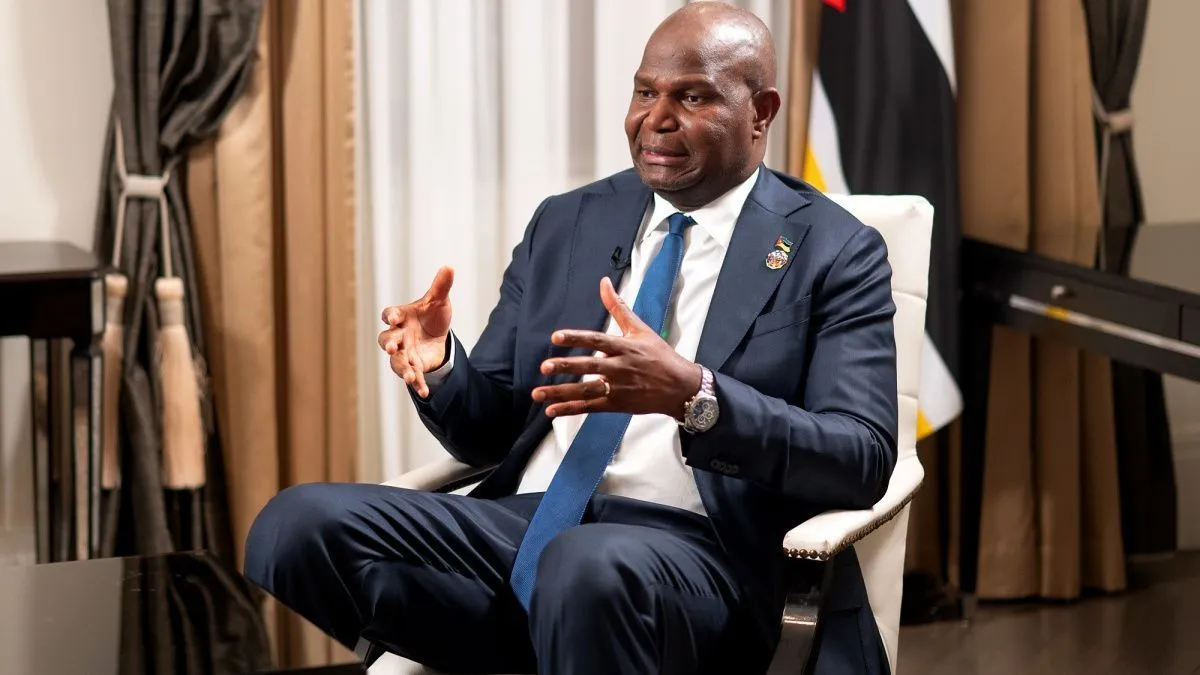
 Daniel Francisco ChapoMozambican President"We have excellent relations with Brazil, Russia, India and China, as well as with our neighbour, South Africa"
-
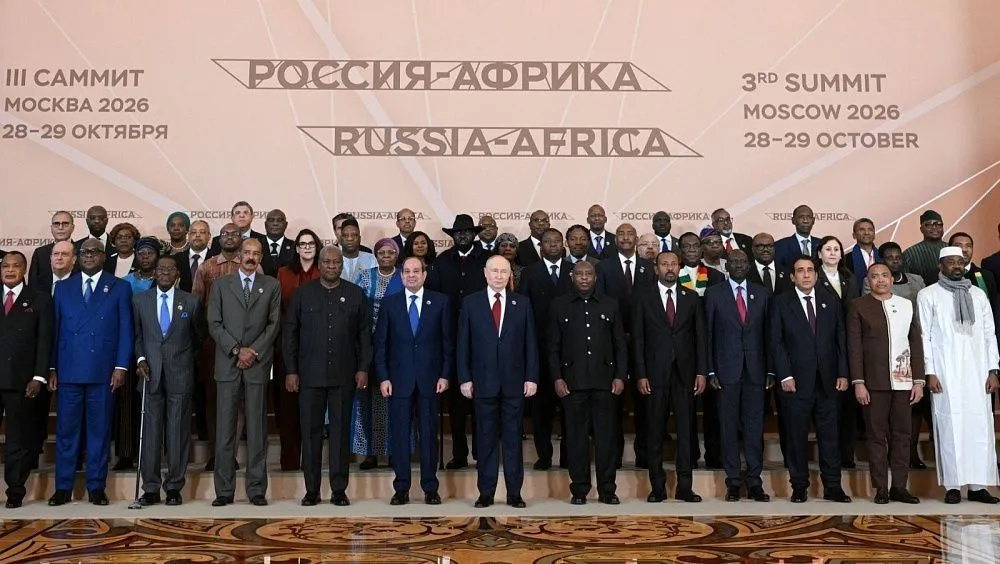
![Vladimir Putin]() Vladimir PutinRussian President"Construction of the Bushehr Nuclear Power Plant continues. We are also cooperating in the humanitarian sphere; the number of Iranian students studying at our universities, for example, has reached about 10,000. In late September and early October, a series of vibrant events was held in various Russian cities as part of the Iranian Culture Festival – namely, in Moscow, Kazan and Astrakhan"
-
![Abdel Fattah El-Sisi]() Abdel Fattah El-SisiEgyptian President"Today, we are striving to strengthen Russia-Egypt strategic partnership and hope to expand cooperation between our countries across various sectors – primarily in the economy and trade, as well as in areas related to grain supplies, which are of great importance to our nation"
-
![Andrey Denisov]() Andrey DenisovChairman of the Federation Council Committee on Foreign Affairs"Today, BRICS is not simply a dialogue platform for member countries but a genuine mechanism for coordinating positions on sustainable development and reforming global financial and economic institutions"